GEOTECHNICAL ENGINEERING
STOKE-ON-TRENT

Geotechnical Engineering in Stoke-on-Trent

Practical geotechnics, field-tested.

LEARN MORE

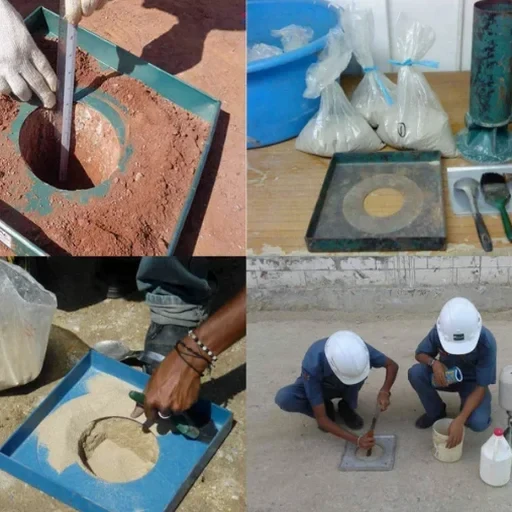
Stoke-on-Trent’s geology tells a story of fire and ice. The city sits on Carboniferous Coal Measures overlain by glacial till and pockets of alluvium along the River Trent. This layering creates a tricky subsurface for any construction project. A soil mechanics study here must account for abandoned mine workings, variable marl bands, and occasional peat lenses in the valleys. The marl can soften rapidly when exposed to water, altering its bearing capacity within hours. Understanding these transitions is not just best practice—it is the difference between a stable structure and one that moves years later. For sites near the Fowlea Brook or the canal network, we often combine lab testing with a trial pitting programme to map the drift geology visually before any intrusive rig work begins.

In Stoke-on-Trent, a soil mechanics study that ignores the Coal Authority mining reports is a liability, not an investigation.
Geotechnical Engineering in Stoke-on-Trent
Technical reference — Stoke-on-Trent

Our service areas

Local geology

One pattern we see repeatedly in Stoke-on-Trent is the stiffness contrast between the Etruria Marl and the overlying boulder clay. The marl is a competent bedrock when dry but can degrade into a slurry under prolonged rainfall. The till is dense but erratic, with cobbles that skew shallow penetration tests. This means your soil mechanics study cannot rely solely on empirical correlations from other regions. Effective stress parameters from triaxial testing matter here. We run consolidated-undrained tests with pore pressure measurement to capture the true drained behaviour of the weathered marl. The Staffordshire clays also exhibit moderate to high plasticity, which influences volume change potential. In the north of the city around Tunstall, ironstone bands within the Coal Measures add another layer of complexity, creating hard ledges that complicate sampling. A desk study of historical mining records—held by the Coal Authority—forms the backbone of any serious ground investigation in the city, and the soil mechanics programme is designed around those records, not the other way round.

Reference standards

BS 5930:2015+A1:2020 (Code of practice for ground investigations), BS EN 1997-2:2007 (Eurocode 7 – Geotechnical design – Ground investigation and testing), BS EN ISO 17892 series (Geotechnical laboratory testing), BRE Special Digest 1:2005 (Concrete in aggressive ground), CIRIA C758 (Abandoned mine workings manual)

Need a geotechnical assessment?

Reply within 24h.

Email: info@geotechnical-engineering.biz

Video resource

Why choose us

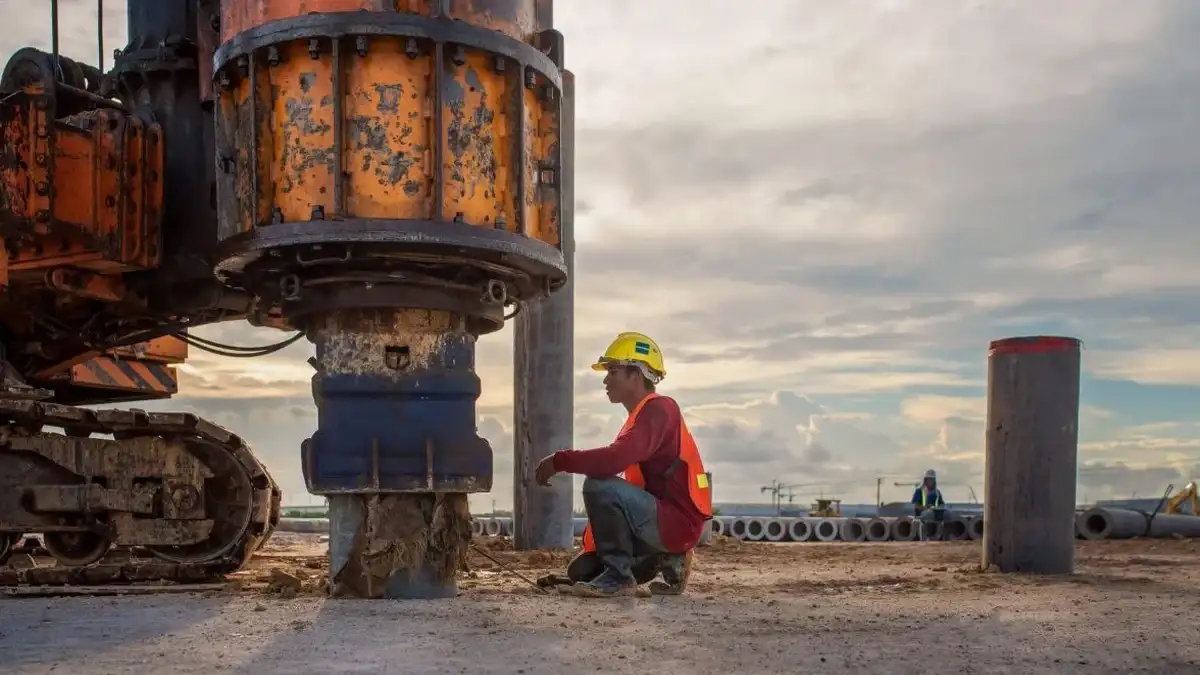
Stoke-on-Trent’s development has been shaped by what lies beneath it. From the 18th century onward, coal and clay extraction drove the city’s expansion, leaving a legacy of shallow mine workings, backfilled marl pits, and unrecorded shafts. The Longton and Fenton districts are particularly dense with historical workings. A soil mechanics study here must address not just bearing capacity but also the risk of crown hole collapse. The Coal Authority designates much of the city as a Development High Risk Area. That means standard site investigation is not enough. Groundwater rebound in abandoned workings introduces a time-dependent hazard: as water levels rise after pumping ceases, effective stress drops and old pillars can crush. Add to this the shrink-swell behaviour of the near-surface clays, and you have a ground profile that demands rigorous laboratory testing—oedometer tests for compressibility, shear box or triaxial for strength, and chemical analysis for aggressive ground conditions.

Technical data

ParameterTypical value
Effective cohesion (c') of Etruria Marl2–15 kPa (weathered) to 30–50 kPa (intact)
Effective friction angle (φ') of glacial till27°–34°
Undrained shear strength (su) of alluvial clay20–60 kPa
Plasticity index (PI) of weathered marl15–35%
Sulphate content (2:1 water/soil extract)Class DS-1 to DS-3 per BRE SD1
Coefficient of volume compressibility (mv)0.05–0.30 m²/MN
Standard of testing for triaxialBS EN ISO 17892-9:2018
Mining cavity risk classificationHigh (Zone 1 Coal Authority Development High Risk Area)

Frequently asked questions

How much does a soil mechanics study cost in Stoke-on-Trent?

For a residential project in Stoke-on-Trent requiring a mining risk assessment plus laboratory testing to BS 5930, budgets typically range from £2,210 to £4,300. The final figure depends on the number of boreholes, the depth of drilling to prove Coal Measures strata, and the suite of lab tests specified. A scope that includes triaxial tests and chemical analysis will sit at the upper end. We provide a fixed-price proposal after reviewing the site location against Coal Authority data and the proposed foundation loads.

Do I need a mining report before the soil mechanics study?

Yes, in Stoke-on-Trent it is the starting point. The Coal Authority mining report identifies recorded shafts, adits, and seam outcrops on or near the site. We use that information to position boreholes and to decide the drilling depth. Without it, you risk missing shallow workings that could compromise the investigation and the foundation design.

What lab tests are essential for the Etruria Marl?

The marl deteriorates on exposure, so moisture content, Atterberg limits, and point load tests on core are run immediately. For bearing capacity, we specify consolidated-undrained triaxial tests with pore pressure measurement. Sulphate and pH testing is mandatory because weathered marl can contain pyrite, which oxidises to form aggressive sulphates that attack concrete.

How long does the laboratory testing phase take?

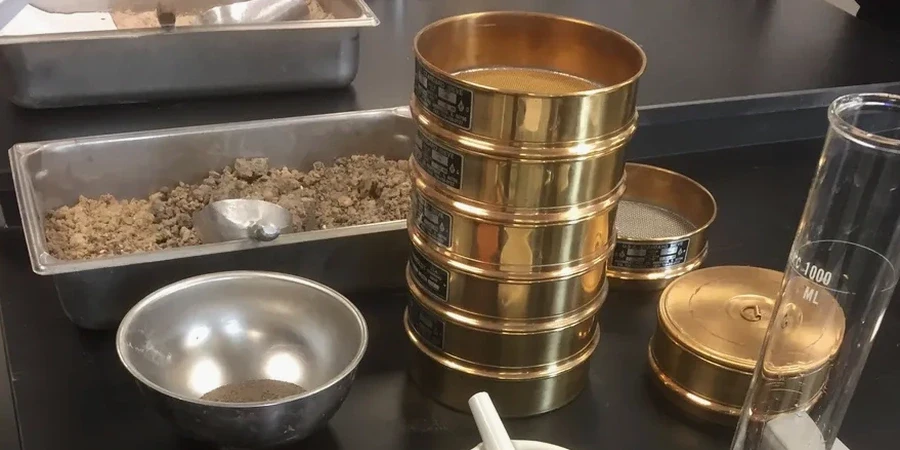
Standard classification tests (moisture content, plasticity, particle size distribution) are typically reported within 7 to 10 working days. Triaxial and oedometer tests, which require longer consolidation and shear stages, add another 2 to 3 weeks. A full soil mechanics study report incorporating field data, lab results, and geotechnical recommendations is usually delivered 4 to 5 weeks after site work is completed.

Location and service area

We serve projects in Stoke-on-Trent and surrounding areas.

View larger map