GEOTECHNICAL ENGINEERING
STOKE-ON-TRENT
HomeLaboratoryAtterberg limits

Atterberg Limits Testing in Stoke-on-Trent — BS 1377 Compliant Plasticity Index

Practical geotechnics, field-tested.

LEARN MORE

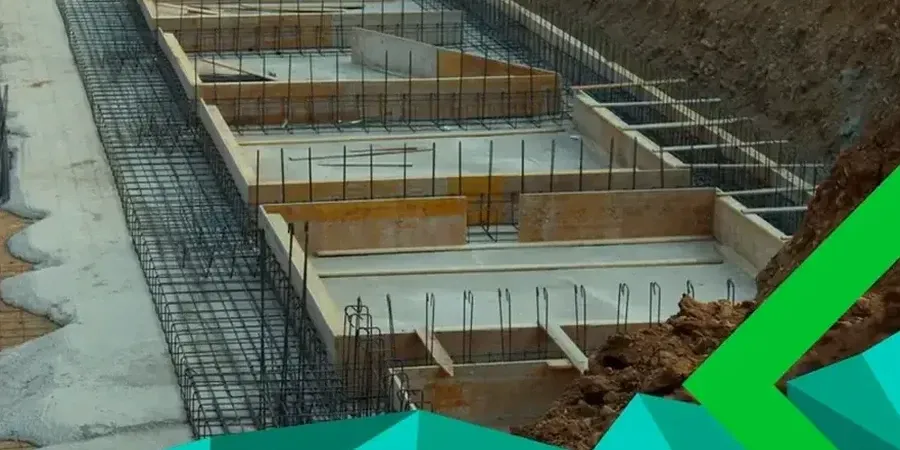
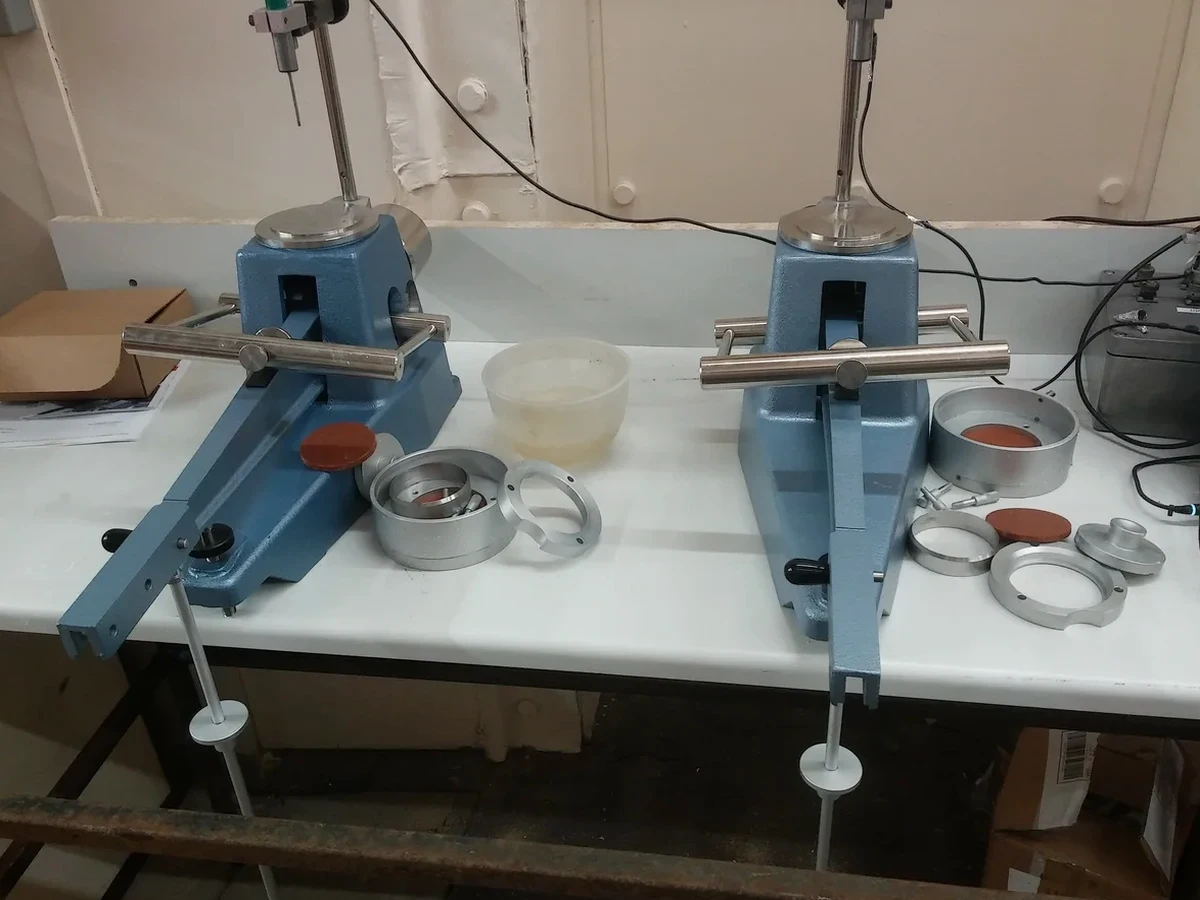
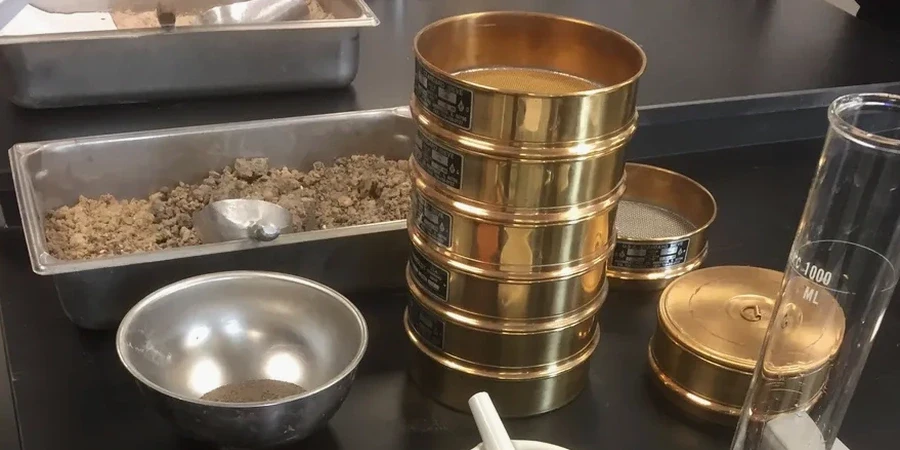
BS 5930 and Eurocode 7 require Atterberg limits for any cohesive soil classification in the UK. In Stoke-on-Trent, the local geology makes this non-negotiable. Glacial till overlies Etruria Marl across much of the city, and the weathered marl can shift from stiff to plastic with very little moisture change. We run liquid limit, plastic limit and plasticity index tests to BS 1377-2:2022 on samples taken directly from site investigation boreholes. The numbers tell you how the ground will behave when wet. For construction in Hanley, Longton or Burslem, knowing the plasticity index means the difference between a foundation that works and one that moves. We run parallel grain-size analysis when the fines content is high, which helps refine the classification for earthworks specification.

A plasticity index above 30% in Etruria Marl means volume change potential that must be accounted for in foundation depth.
Our service areas

Methodology and scope

Stoke-on-Trent's industrial expansion was built on clay. The six towns grew fast during the pottery boom, and much of the Victorian infrastructure sits on made ground over natural Etruria Marl. That made ground is variable — brick rubble, kiln waste, ash and reworked clay. Atterberg limits cut through the guesswork. We test the natural clay and the fill separately because the plasticity index often differs by 15% or more. On projects near the Trent and Mersey Canal, groundwater fluctuates with lock operations and rainfall, and the upper clay layers cycle through wet and dry states. This is where the liquid limit becomes a direct input for slope-stability analysis of canal embankments. For deep foundations, we correlate the plasticity index with undrained shear strength and feed the data into piles design to estimate skin friction in the weathered marl.
Atterberg Limits Testing in Stoke-on-Trent — BS 1377 Compliant Plasticity Index
Technical reference — Stoke-on-Trent

Local geotechnical context

The Etruria Marl beneath Stoke-on-Trent averages 200 metres thick. Its weathered upper zone, typically 3 to 8 metres deep, is a high-plasticity clay with PI values frequently exceeding 25%. The risk is volume change. Seasonal wetting and drying causes shrink-swell cycles that crack shallow foundations and light structures. In the Tunstall and Burslem areas, historical mining subsidence compounds the problem — ground movement from old coal workings adds horizontal strain that plastic clays absorb poorly. If you skip Atterberg testing, the foundation design assumptions become guesswork. A low PI marl might be treated as a stiff till. A high PI marl requires suspended ground floors or piled solutions. The test costs less than the rework on a cracked slab.

Need a geotechnical assessment?

Reply within 24h.

Email: info@geotechnical-engineering.biz

Video resource

Reference standards

BS 1377-2:2022 — Methods of test for soils for civil engineering purposes: Classification tests, BS 5930:2015+A1:2020 — Code of practice for ground investigations, Eurocode 7: BS EN 1997-1:2004+A1:2013 — Geotechnical design

Technical data

ParameterTypical value
StandardBS 1377-2:2022
Liquid Limit (LL)Cone penetrometer method (definitive)
Plastic Limit (PL)Thread-rolling method
Plasticity Index (PI)PI = LL - PL
Liquidity Index (LI)Calculated from natural moisture content
Sample preparationWet sieved at 425 µm
Turnaround3-5 working days standard
Classification chartCasagrande plasticity chart output

Frequently asked questions

What does an Atterberg limits test cost in Stoke-on-Trent?

A standard set of liquid limit and plastic limit tests to BS 1377 runs from £60 to £90 per sample, depending on sample condition and whether the one-point cone penetrometer method or the full four-point method is used. We confirm the price after seeing the material.

How many samples do you need for a typical house foundation in Stoke?

For a single dwelling we recommend a minimum of three samples from the weathered zone — one at foundation level and two above. If the made ground is thick, we test that separately. The site investigation borehole log tells us exactly where to take them.

Why does Stoke-on-Trent clay need Atterberg testing more than other areas?

The Etruria Marl underlying the city is a heavily overconsolidated clay with a weathered crust that is highly plastic. Combined with historical mining subsidence and variable made ground from the pottery industry, the ground movement risk is higher than in areas with simpler glacial till geology.

Location and service area

We serve projects in Stoke-on-Trent and surrounding areas.

View larger map