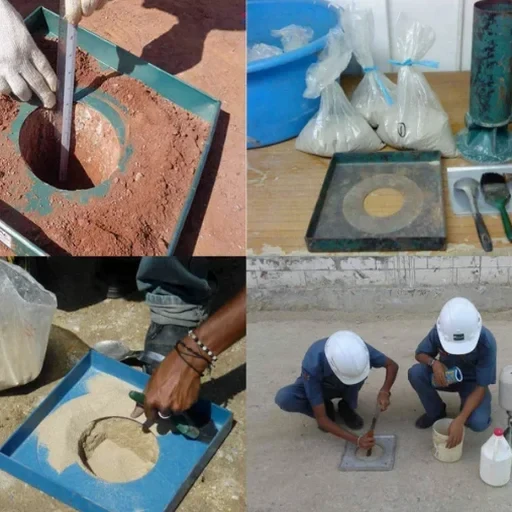
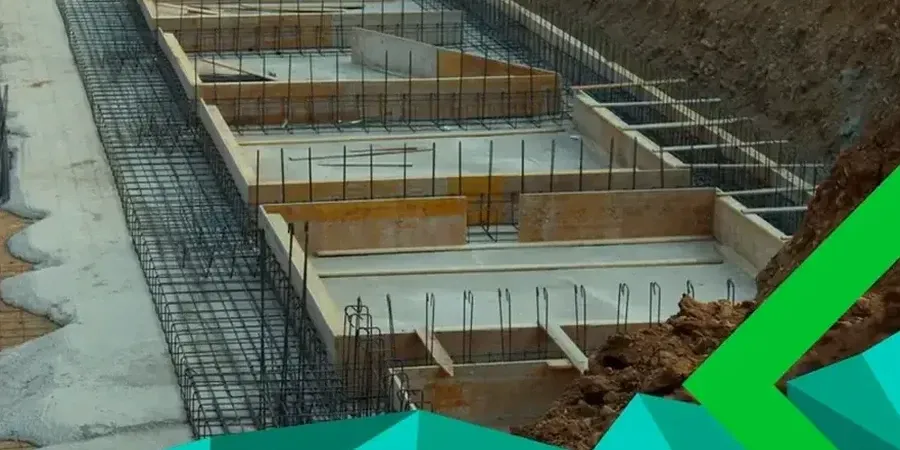
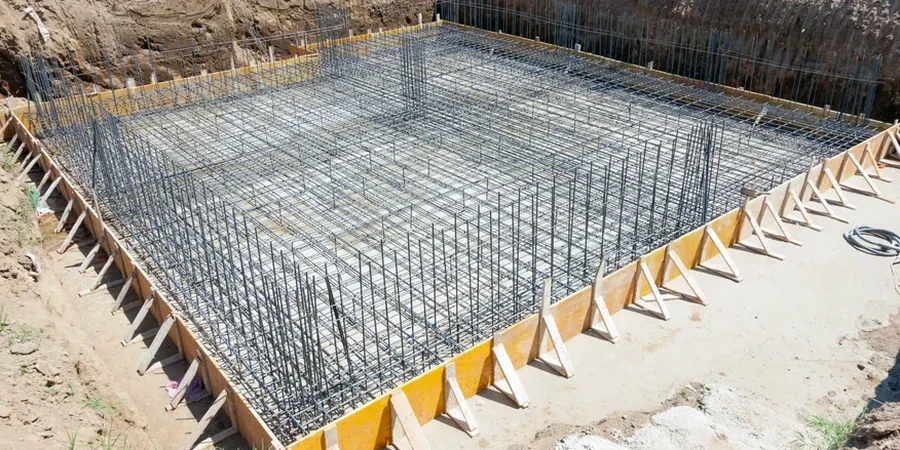
In Stoke-on-Trent, the legacy of coal mining and the patchwork of marl and boulder clay beneath the surface mean that standard strip footings often aren't the right call. We see too many projects where the initial soil investigation was treated as a box-ticking exercise, only for differential settlement to appear within the first two years. A raft or mat foundation design spreads the structural load across a much wider footprint, effectively bridging local soft spots and reducing the risk of distortion in the superstructure. For sites near the old Hanley deep pit workings or along the Trent valley drift deposits, this approach moves from being an option to a necessity. We combine the desk study of historical mining records with a ground investigation that typically includes CPT testing to profile the variable drift thickness and trial pitting to inspect the near-surface fill, giving us the complete picture before any foundation analysis begins.
A well-designed raft doesn't just support the load; it tames the differential settlement that breaks rigid finishes and cracks partition walls.