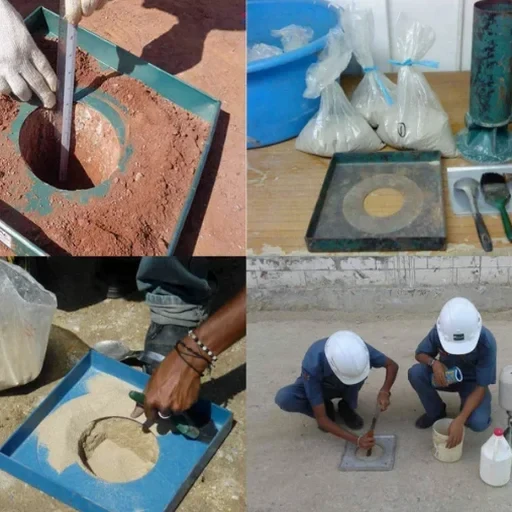
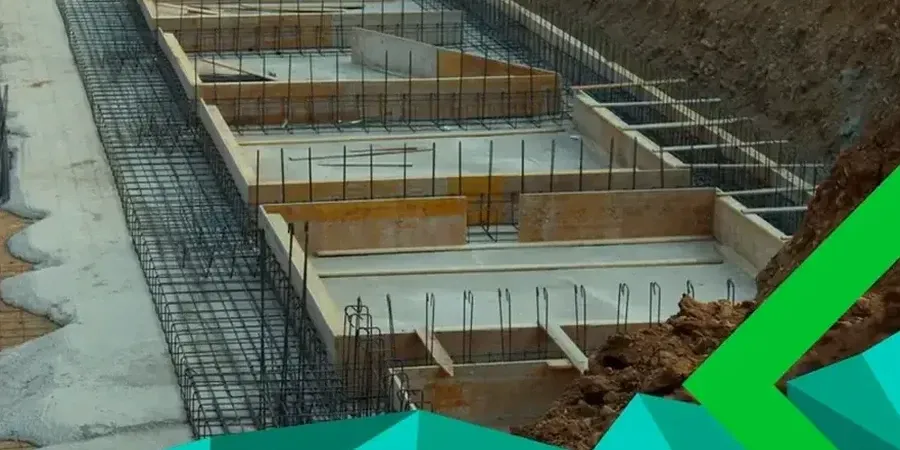
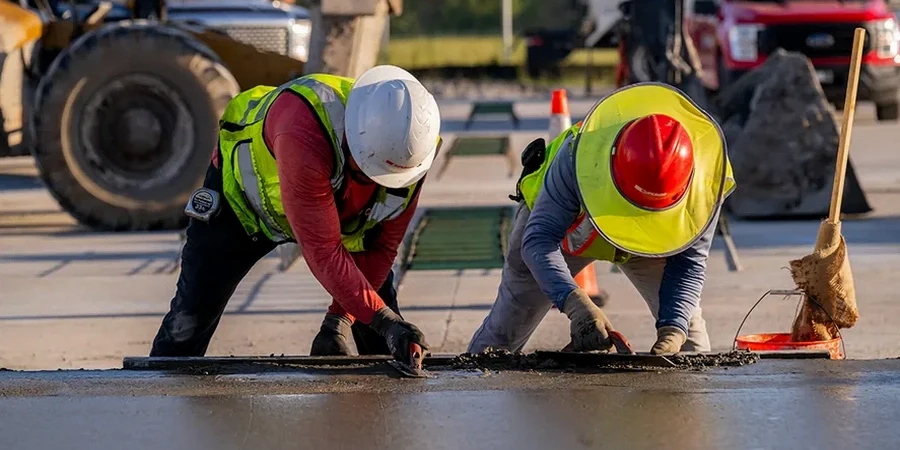
Designing a rigid pavement slab in Stoke-on-Trent means confronting a geological patchwork that shifts dramatically between the sandstone ridges of Penkhull and the alluvial clays of the Trent valley floor. Near Hanley, former marl pits backfilled with colliery spoil create highly variable bearing conditions, while the Etruria Formation's weathered mudstones further south demand precise modulus of subgrade reaction values. Our pavement engineering group integrates in-situ permeability testing where perched water in made ground threatens long-term pumping beneath joints. The concrete thickness, joint spacing, and reinforcement are calibrated to these local subgrade extremes, not a generic catalogue. We also correlate findings from CBR road assessments on adjacent flexible carriageways to benchmark stiffness expectations before the first concrete is poured.
A rigid pavement in Stoke-on-Trent lives or dies by its subbase drainage—standing water beneath a slab on glacial till is a failure waiting to happen.