GEOTECHNICAL ENGINEERING
STOKE-ON-TRENT
HomeLaboratoryTriaxial test

Triaxial Testing for Geotechnical Design in Stoke-on-Trent

Practical geotechnics, field-tested.

LEARN MORE

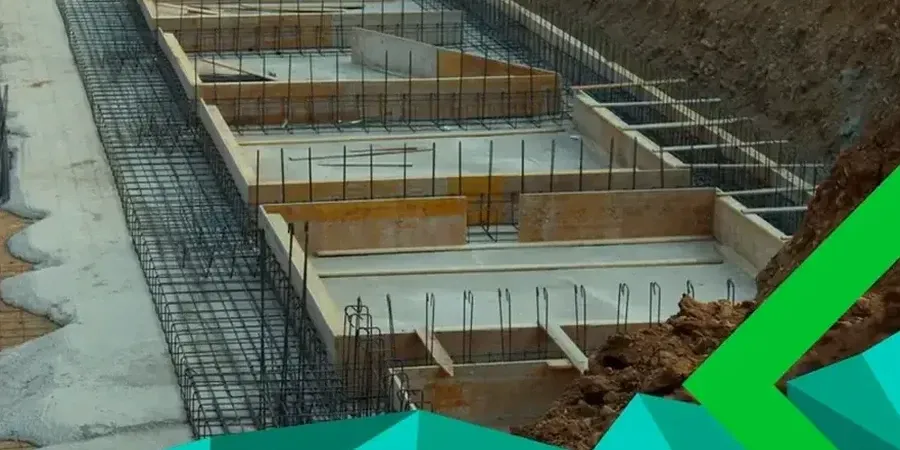
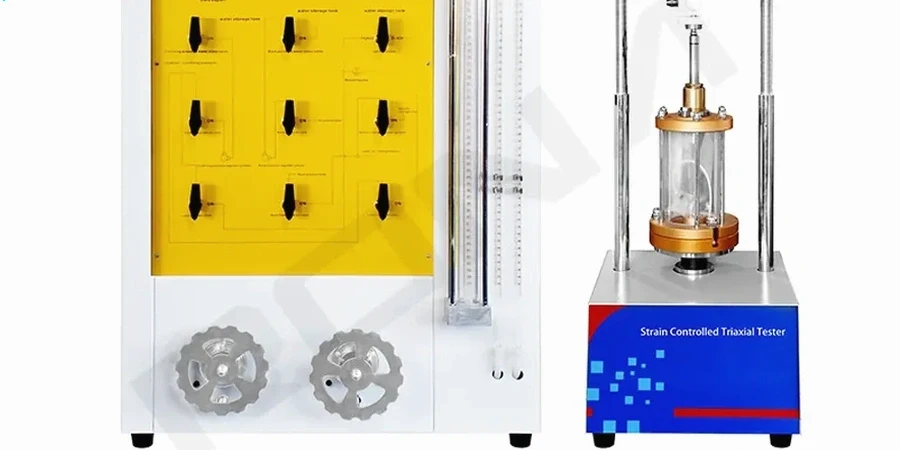
The Potteries didn't just shape the ceramics industry; the deep excavations for marl and coal left Stoke-on-Trent with a subsurface patchwork of backfilled pits, weathered shale, and glacial till that still influences every new foundation. When structural loads have to transfer safely through these variable ground conditions, knowing the soil's shear strength isn't optional. A triaxial test provides that data by measuring how a cylindrical specimen behaves under controlled confining pressures that replicate in-situ stress. For projects on the slopes above the Trent valley or near the canal corridors, the CPT test data sometimes needs this laboratory confirmation to calibrate the design profile with local material response. The lab team has processed samples from across the city's six towns, from Tunstall down to Longton, building a reference base that helps interpret results against the known behaviour of the Etruria Formation and underlying sandstones.

A single set of triaxial tests on a properly sampled core tells you more about the ground's strength than a dozen SPT blows ever will.
Our service areas

Methodology and scope

Stoke-on-Trent's weather, with persistent damp winters and occasional freeze-thaw cycles, means near-surface soils rarely dry out fully, and that moisture condition has a direct effect on undrained shear strength. A consolidated undrained triaxial test with pore pressure measurement captures exactly how the silt-rich tills and weathered mudstones around Hanley and Burslem will perform under load without the risk of drainage during construction. The procedure follows BS EN 1997-2:2007, with specimen preparation to BS 5930:2015, and the laboratory holds ISO 17025 accreditation for triaxial testing. Typical test series include three specimens at effective confining stresses chosen to bracket the anticipated in-situ stress range. In our experience, the most common request from local structural engineers is for effective stress parameters from multistage tests on stiff glacial clays, particularly when designing retaining structures in cuttings along the A500 corridor.
Triaxial Testing for Geotechnical Design in Stoke-on-Trent
Technical reference — Stoke-on-Trent

Local geotechnical context

A mistake we still see in Stoke-on-Trent is assuming that the stiff glacial till encountered at depth can be designed using drained parameters from a quick undrained test without pore pressure measurement. The till across much of North Staffordshire contains lenses of silt and sand that can generate positive excess pore pressure during loading, temporarily reducing the available shear strength. If the triaxial test programme doesn't include pore pressure instrumentation, the designer ends up with an unconservative effective stress envelope, and that can lead to bearing capacity failure or excessive settlement. Another recurring issue is testing samples that have dried out during transport from site, which artificially increases suction and gives unrealistically high strength values. The lab insists on sealed sample tubes and controlled humidity preparation to avoid this, because a parameter that looks good on paper but doesn't represent the ground is worse than no test at all.

Need a geotechnical assessment?

Reply within 24h.

Email: info@geotechnical-engineering.biz

Reference standards

BS EN 1997-2:2007, BS 5930:2015, ISO 17025

Technical data

ParameterTypical value
Test standardBS EN 1997-2:2007 and BS 5930:2015
Specimen diameter38 mm, 50 mm, 70 mm, or 100 mm
Test types availableUU, CU, CD (including multistage)
Pore pressure measurementBack pressure saturation with electronic transducer
Loading frame capacityUp to 100 kN axial load
Confining pressure rangeUp to 2 MPa, covering all local overburden depths
Report outputMohr-Coulomb envelopes, stress paths, stiffness moduli
Typical turnaround7-10 working days from sample receipt

Frequently asked questions

When is a triaxial test necessary instead of relying on SPT or CPT data alone?

SPT and CPT are excellent for profiling and estimating relative density, but they don't directly measure shear strength parameters like friction angle and cohesion. A triaxial test becomes necessary when the design requires a quantitative assessment of bearing capacity or slope stability, particularly in the variable glacial till and Coal Measures strata found across Stoke-on-Trent.

What sample quality do you need for a reliable triaxial test?

Undisturbed samples are essential for meaningful results. For the clays and silts of North Staffordshire, we recommend thin-walled tube sampling driven with a constant-rate hydraulic push. Samples that have been disturbed during extraction or transport, or that show signs of desiccation, will produce unreliable strength parameters regardless of the test quality.

How much does a triaxial test programme cost in Stoke-on-Trent?

A standard three-specimen CU triaxial test series with pore pressure measurement typically ranges from £1.540 to £2.150, depending on the specimen diameter and whether multistage testing is required. The final quotation includes sample preparation, saturation, shearing, and a full interpretive report with stress paths and strength envelopes.

How long does it take to get triaxial test results?

For a standard three-specimen CU test series, the laboratory turnaround is typically seven to ten working days from sample receipt. Consolidated drained tests take longer due to the slow shearing rate required to maintain drained conditions. If the project timeline is tight, we can sometimes prioritise the first specimen to provide preliminary parameters within three to four days.

Can you test the weak sandstone from the Coal Measures in a triaxial cell?

Yes, the sandstones of the Pennine Middle Coal Measures encountered around Stoke-on-Trent can be tested in a triaxial cell, though specimen preparation requires extra care to avoid fracturing. We use a high-capacity cell with confining pressures up to 2 MPa, and the drained test is particularly useful for obtaining the friction angle of these materials when designing deep foundations or assessing rock slope stability.

Location and service area

We serve projects in Stoke-on-Trent and surrounding areas.

View larger map