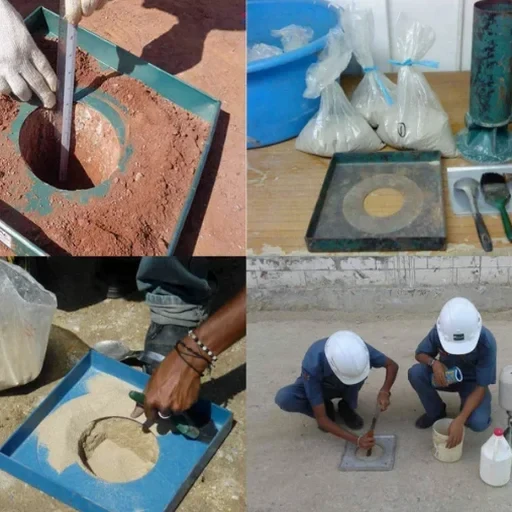
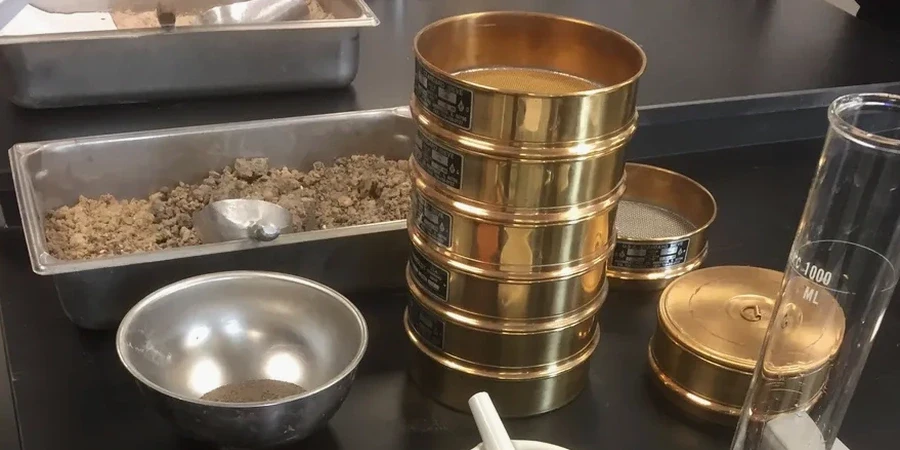
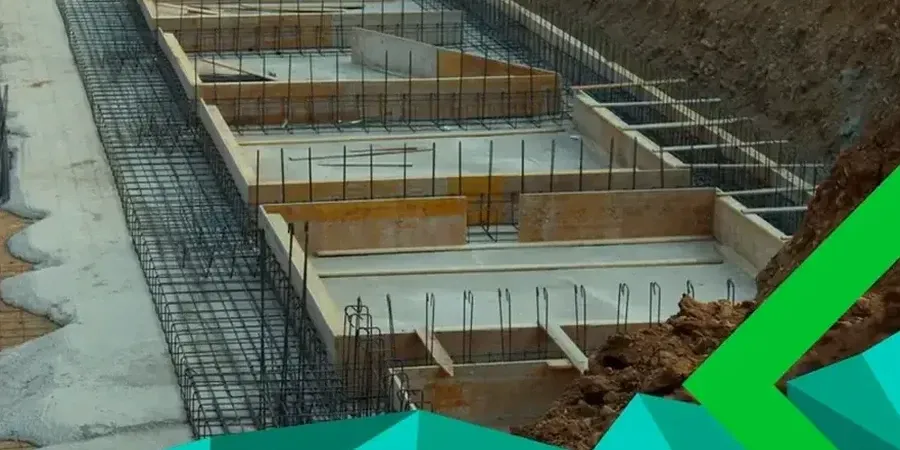
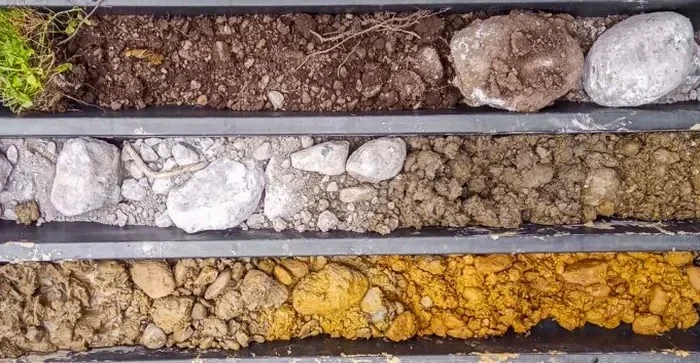
Stoke-on-Trent's geology tells a story layered in clay, marl, and the industrial archaeology of its six towns. From the Etruria Marl that shaped the Potteries' canal network to the glacial drift blanketing the higher ground at Penkhull, the ground beneath this city rarely conforms to a textbook. An exploratory test pit removes that guesswork. Whether the site sits on a disused marl pit in Longton or a backfilled plot in Burslem, opening a trial excavation reveals the true strata sequence, compaction history, and any hidden obstructions—brick rubble, old kiln waste, or undrained pockets that a desktop study alone cannot flag. Combined with grain-size analysis of the recovered material, the test pit provides the factual baseline that Eurocode 7 design demands before any foundation or drainage scheme moves forward.
A single well-logged test pit in Stoke-on-Trent's variable drift deposits often saves more in redesign costs than the entire ground investigation budget.